Explore
TOP ACTIVITIES


Manage
Support
GET THE APP

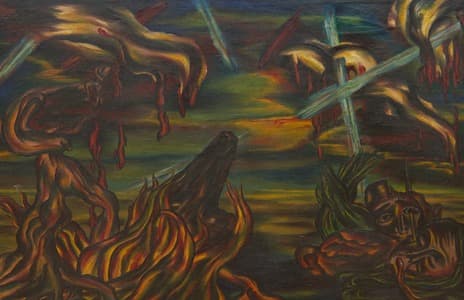
Exhibition
For the first time, this exhibition sheds light on her life and work by bringing together artworks held in museum and private collections around the world, and previously unseen archival documents. Conceived as her first large-scale museum retrospective, this ambitious exhibition is based on extensive scientific work carried out over several years. Exhibition will have explore several sections: (1) A Girl from the Elite (2) Surrealism and the Awakening of a Radical Consciousness (3) Between Brush and Pen: Art as Protest (4) With the People: Mothers, Peasants, Workers (5) The Prison Years: Painting in Spite of It All (6) The White Light: Rediscovering Egypt (7) A revolutionary and a Diplomate (8) From Palestine to Civil Rights
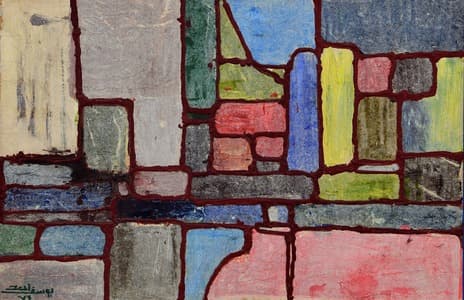
Exhibition
This landmark retrospective exhibition celebrates the work of pioneering Qatari artist Yousef Ahmad. As the first large-scale museum exhibition dedicated to a Qatari artist, it offers an unprecedented exploration of Ahmad’s artistic journey. Spanning several decades, the exhibition traces the evolution of his practice, highlighting key trajectories, themes, and contributions that have shaped his artistic legacy. The exhibition will feature a diverse selection of works drawn from both the Mathaf collection and the artist's personal collection including paintings, works on paper, and archival materials, alongside interviews with the artist. Throughout the exhibition, Mathaf will plan coinciding programing like hands on workshops, guided tours, and curatorial talks throughout the duration of the exhibition. Works from Mathaf's collection and a few local lenders.
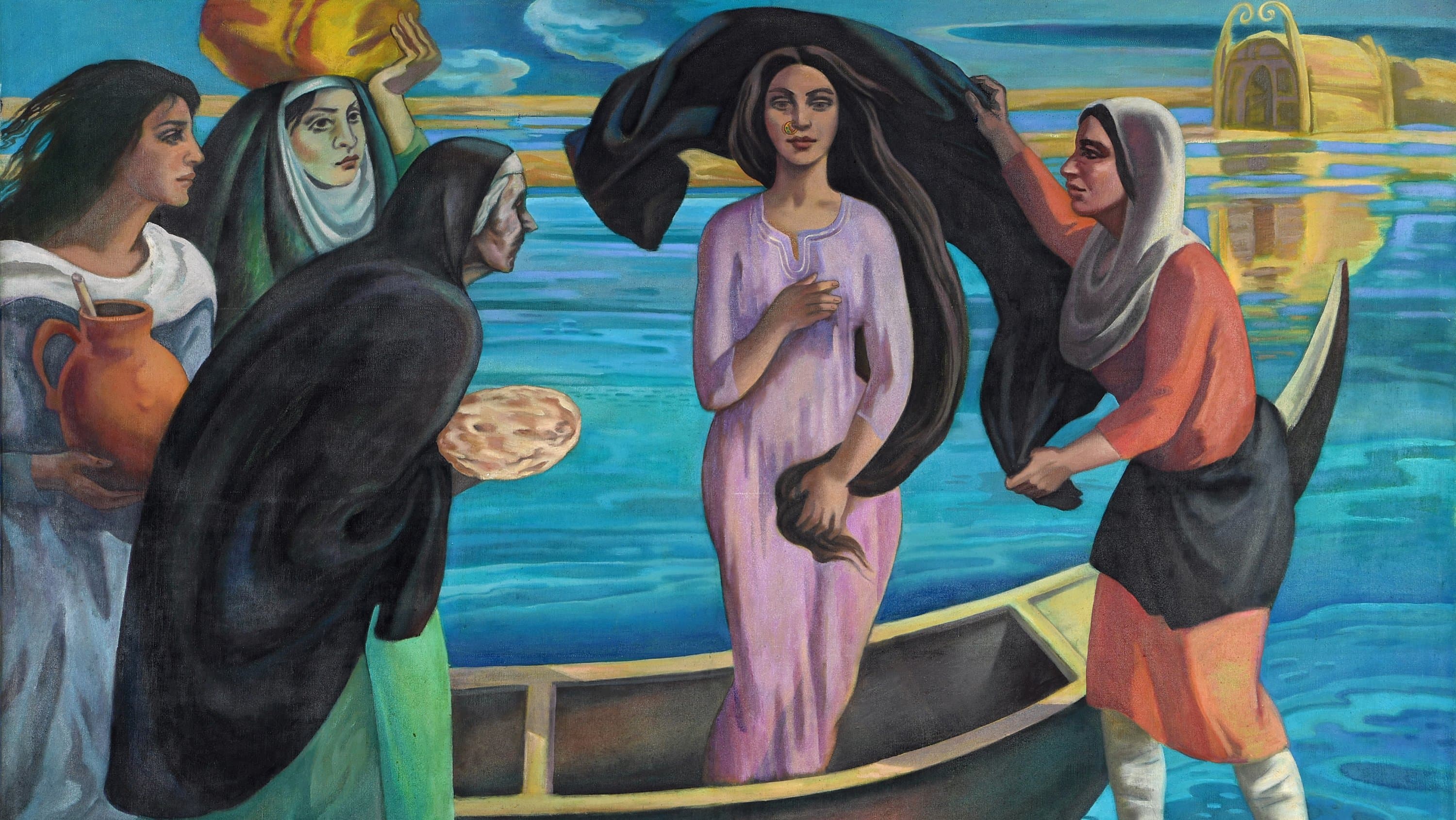
Exhibition
Works from Mathaf's collection In the first edition of the quadrennial, Rubaiya kicks off in November 2026 across QM Venues. At Mathaf: Arab Museum of Modern Art, the exhibition Seething Sea brings together modern and contemporary works by Gulf artists to reflect on the region’s historic relationship with the sea as a source of life, danger, and storytelling. Drawing on maritime myths, rituals, and cultural memory, the exhibition considers how inherited knowledge and imaginaries confront ecological degradation and rapid transformations. The exhibition is curated by Wadha Al Aqeedi, a curator and art historian.
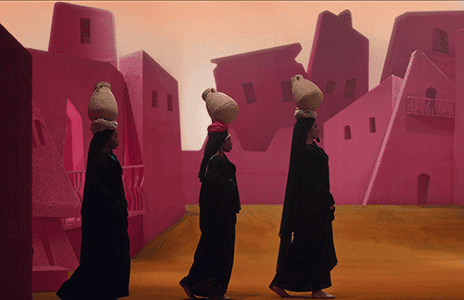
Exhibition
Mathaf presents Mathaf in Motion, a film screening series featuring video works by renowned artists. Running from 15 September to 8 December 2026, the series highlights recent and upcoming exhibitions and programmes at Mathaf, exploring themes of history, society and technology.
Exhibition
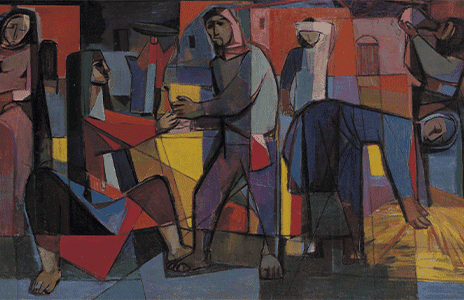
As defined by their name, Jamaat Baghdad Lil Fan al-Hadith, the Baghdad Modern Art Group was established to negotiate modern art between Baghdad as a centre of production and the rest of the world. It thus drew from both the history of its location in Baghdad, an Abbasid city that traces its lineage to the ancient civilisations of the Fertile Crescent, and its own age as manifested in modernism. Initiated in 1951 by two of Iraq’s most influential artists, Jewad Selim (1919–61) and Shakir Hassan Al Said (1925–2004), the group grew to engage many of Iraq’s leading visual artists and architects. Its legacy, however, reached beyond its active years and geographical borders, and its teachings continue to impact the Iraqi art scene today. Nevertheless, while the group is known by name, and its manifesto has been translated and published several times in the last decade, to date, no exhibitions or publications have delved deeper into its history. The exhibition aims to historicise the group, its aesthetics and its legacy through providing visual and textual contexts. It examines the group’s development through the work’s evolution of its two leaders and the contributions of its original members, as well as tracks the changing membership over the collective’s first decade and the attempts at continuity after Selim’s untimely death. It does so through mapping the group’s exhibition history. The exhibition considers the group’s impact on following generations through education and presence in the work of succeeding groups who challenged its philosophies and objectives, such as the New Vision Group and lesser studied ones like al-Mujaddidin (1965). It further investigates relationships between the artists, as colleagues and teachers, which led to the dissemination of their ideas today via the ‘Eighties Generation’ of Iraqi artists, who currently live mostly in diaspora, a further loss to Iraq’s cultural and artistic development.
